Vienna Philharmonic Guide: Sound, History, and Listening Method
Learn how to hear the Vienna Philharmonic more deeply through practical listening anchors and repertoire-focused context.
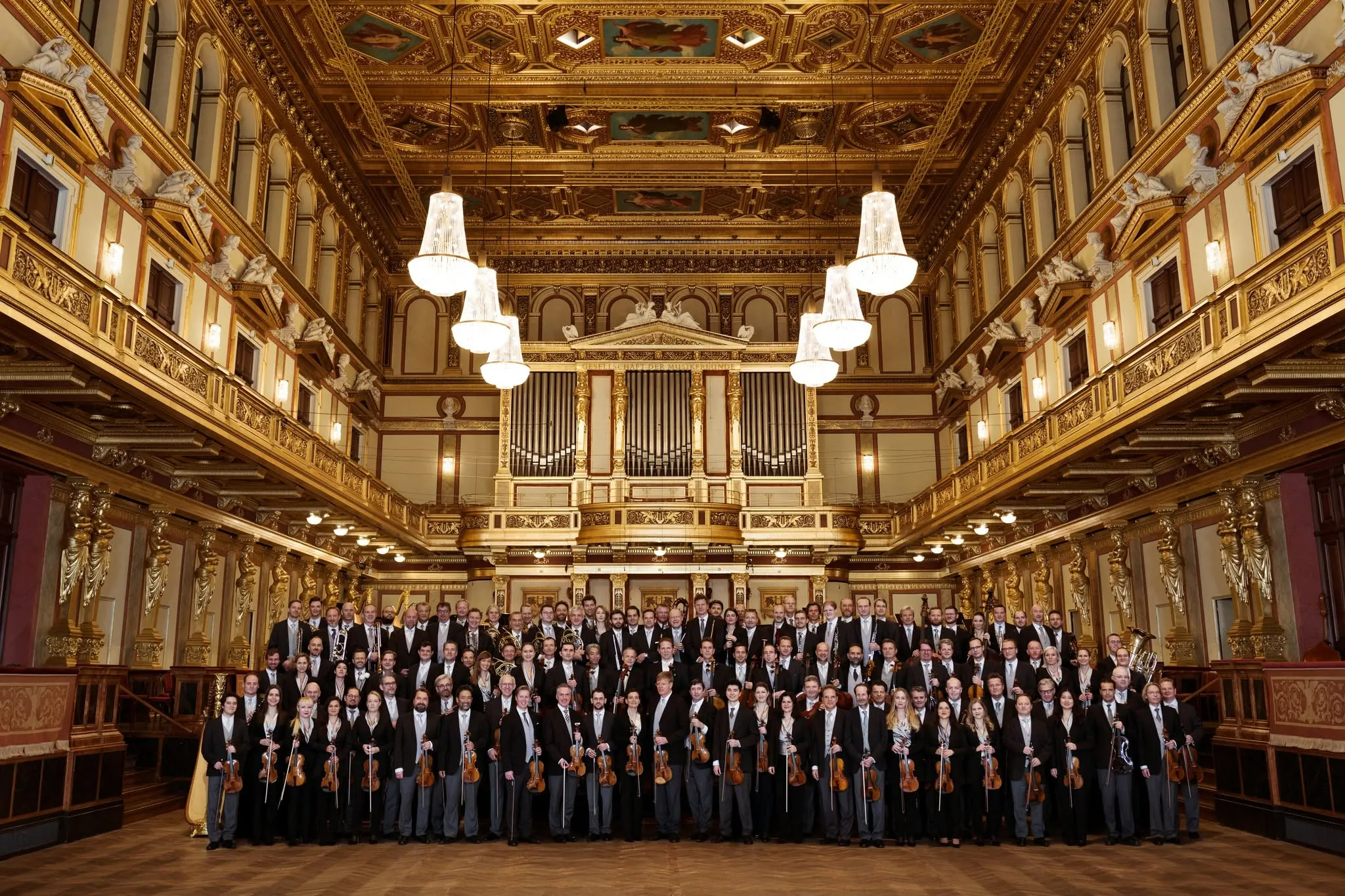
Some orchestras impress. The Vienna Philharmonic often imprints.
What you hear first
Not volume. Not speed. You hear blend discipline and phrase memory.
A three-layer listening method
- Surface: melody and immediate color.
- Middle: section dialogue (strings vs winds).
- Deep: timing elasticity and phrase-release behavior.
Signature clues
- Long phrase tails in lyrical passages
- Controlled rubato without structural loss
- Wind colors that stay individual inside ensemble blend
Concert notebook template
| Moment | What to mark |
|---|---|
| Opening attack | Soft vs firm onset quality |
| Transition zones | Balance and hierarchy shifts |
| Slow movement apex | Dynamic patience |
| Final coda | Rhythmic unanimity under pressure |
Repertoire fit
If you want to hear identity clearly, prioritize:
- Bruckner for architecture,
- Mahler for emotional geography,
- Strauss for rhythmic elegance.
Sit once near detail, once near blend. You’ll hear two different truths.
Bottom line: Their sound is not one color; it is a method of collective breathing.
The longer narrative layer
Picture this experience as a three-act journey: anticipation, immersion, and afterglow. In the anticipation phase, Vienna feels precise and ceremonial — coats checked, programs folded, whispers lowered. In immersion, sound, architecture, and social rhythm lock together: chandeliers above, polished floors below, and phrases that travel through the room like shared memory. In afterglow, the city changes tempo; streets feel quieter, and you replay specific details you didn’t expect to notice.
What makes these nights memorable is rarely only the headline piece. It is the texture around it: the pause before applause, the careful way people move between spaces, and the subtle confidence of audiences who know when to be still. These micro-moments transform a simple event into a cultural chapter.
Deepening prompts
- What changed in your attention between the first and last piece?
- Which sonic detail stayed with you longest after leaving?
- Did the venue shape your emotional response more than the repertoire?
Practical interpretation framework
| Phase | What to notice | Why it matters |
|---|---|---|
| Arrival | Room geometry, audience behavior, your seat perspective | Sets expectation and listening posture |
| Performance | Phrase direction, dynamic contrast, crowd stillness | Reveals artistic intent and acoustic character |
| Exit | Your first remembered moment and emotional residue | Helps retain and compare experiences |
If you want to go one level deeper
Try pairing one formal hall evening with one intimate church or chamber setting on the next night. Contrast improves perception: details become clearer, preferences become honest, and your Vienna music map becomes personal instead of generic.
A strong concert is not only heard; it is processed, remembered, and connected.
Extended takeaway: The richest Vienna nights happen when logistics, listening, and narrative awareness work together.
Om forfatteren

Vienna Music Editorial Team
Denne guide er skrevet til rejsende, der vil opleve Wiens musikscene med sikkerhed og kontekst – ud over generelle toplister – så hvert billetvalg føles bevidst, berigende og mindeværdigt.
Tags
Comments (0)
Loading comments...