A city where history is heard, not only seen
In Vienna, every district seems to carry an echo—of composers, audiences, and evenings that shaped European music.
Table of Contents
Before Vienna: roots of a musical capital
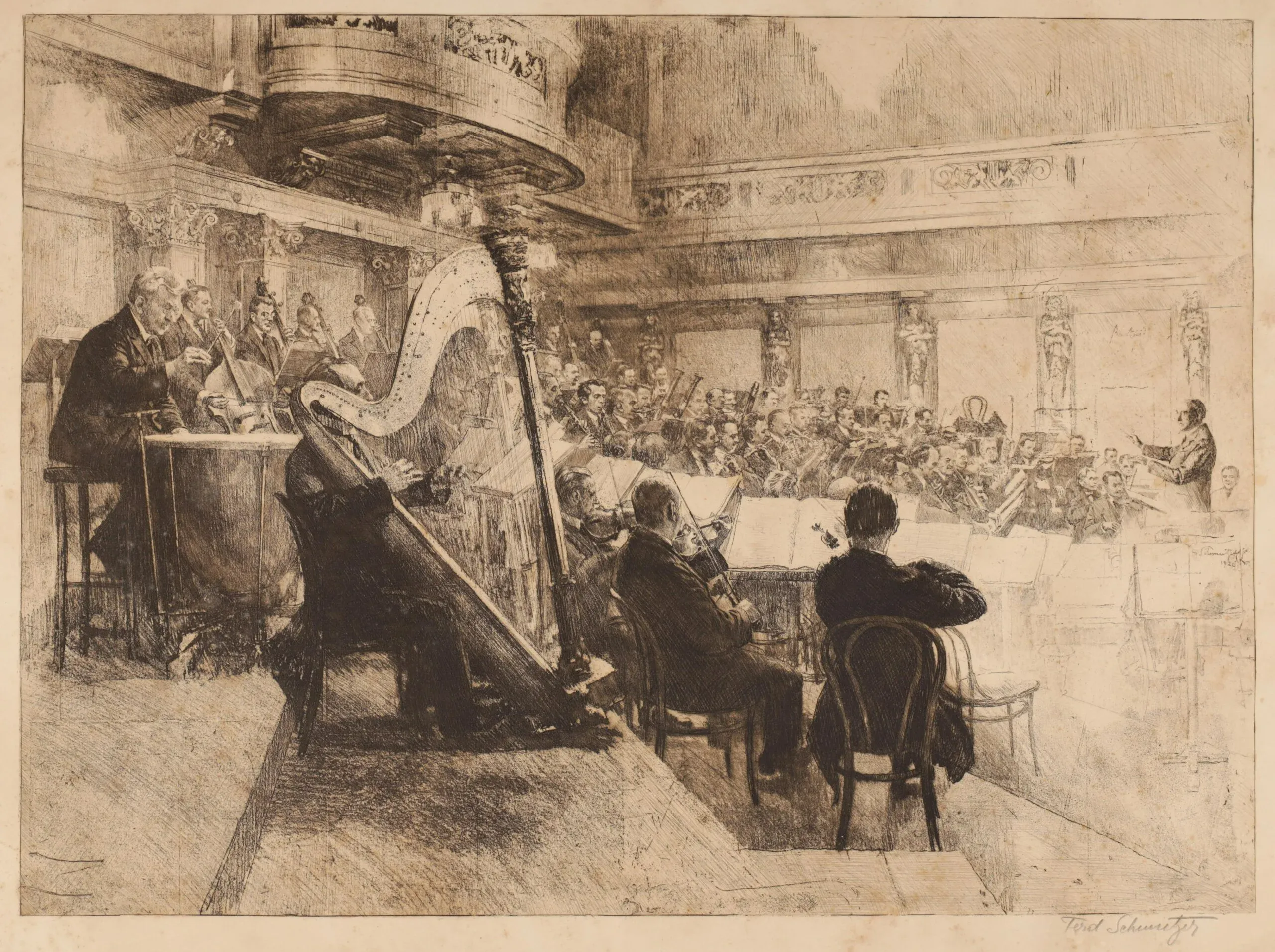
Long before Vienna became synonymous with classical excellence, music flowed through the Habsburg lands as ceremony, devotion, and social language. Courtly processions required fanfares, churches cultivated choral traditions, and traveling musicians connected regional styles across cities and monasteries. By the time Vienna emerged as an imperial center, it already possessed the ingredients of musical authority: institutional wealth, architectural ambition, and a population accustomed to hearing structured music in both sacred and civic life. This foundation mattered profoundly, because it meant that when great composers later arrived, they did not create a culture from nothing—they entered a city prepared to listen deeply and invest in artistic continuity.
What distinguishes Vienna’s early evolution is the way music became embedded in identity rather than treated as occasional entertainment. Noble households maintained private ensembles, church calendars demanded repertoire, and urban ceremonies transformed sound into shared memory. The result was a public ear trained across generations, capable of appreciating complexity and emotional nuance. In modern terms, this created an ecosystem: patrons financed innovation, performers raised standards, and audiences rewarded excellence with lasting prestige. The city’s later fame was therefore not an accident of marketing or nostalgia—it was the cumulative outcome of centuries in which music remained central to how Vienna represented itself to Europe and to its own citizens.
Imperial patronage and court performance culture
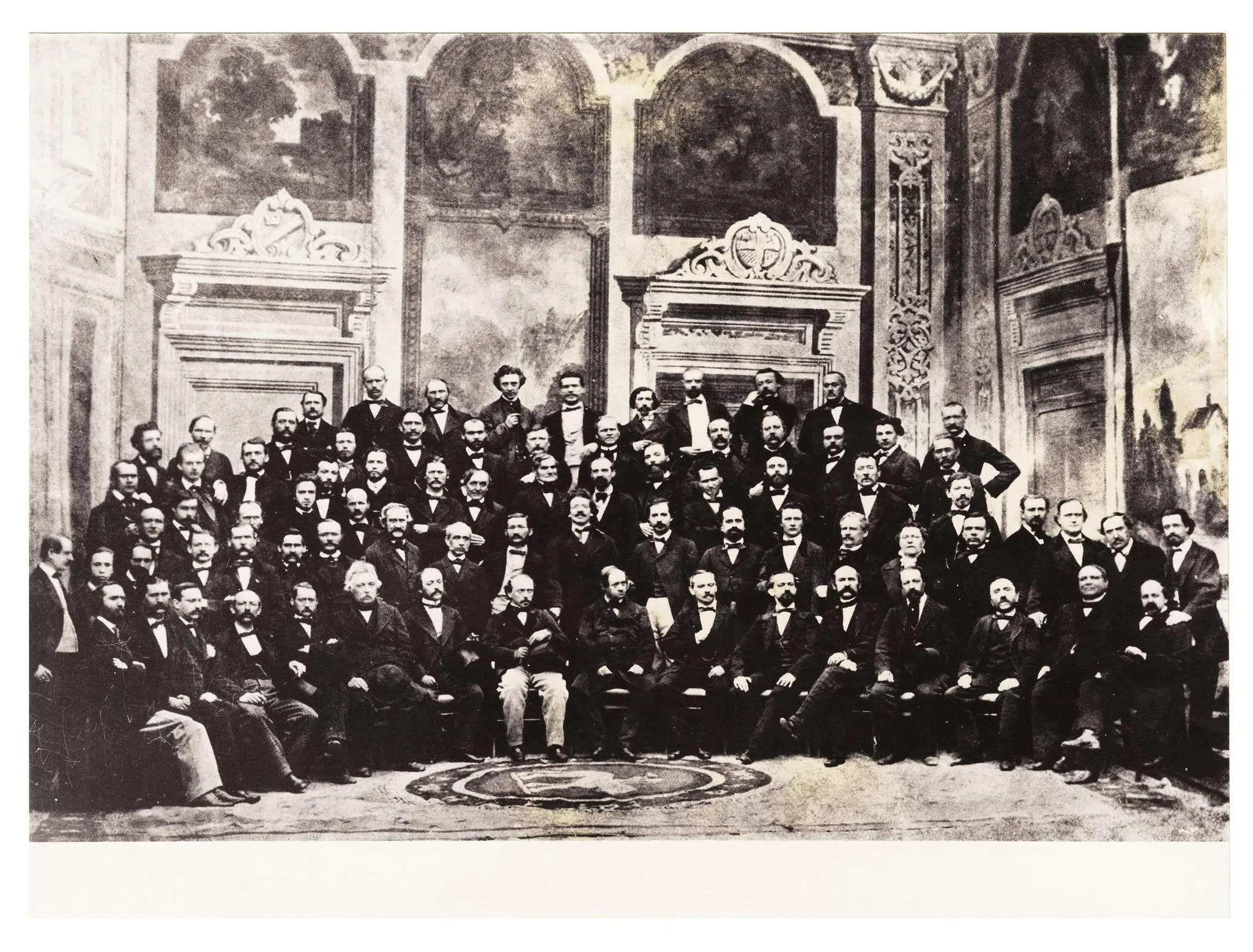
During the height of imperial influence, Vienna’s court set cultural rhythms that extended far beyond palace walls. Music served diplomacy, religious ceremony, and social order all at once. Composers and performers navigated a world where artistic success depended not only on talent but on patron networks, ceremonial obligations, and the ability to respond to elite taste. Yet this system, while hierarchical, also created opportunity: resources for rehearsals, orchestras, and experimentation could be substantial, enabling ambitious works that smaller cities could rarely support. The court’s expectation of quality pushed standards upward and turned Vienna into a laboratory of style where innovation and tradition constantly negotiated space.
Importantly, court culture also influenced public aspiration. As aristocratic salons and official performances gained visibility, middle-class audiences began to seek similar refinement in their own social life. This helped expand concert culture beyond palace circles, planting seeds for broader institutions in the 19th century. In today’s Vienna, traces of that transformation remain visible in architecture, etiquette, and repertoire choices. Even when you attend a modern ticketed concert, you can still sense this older DNA: the formal opening atmosphere, the reverent silence before the first note, the shared understanding that the evening is an event, not background noise.
Churches, chapels, and sacred soundscapes
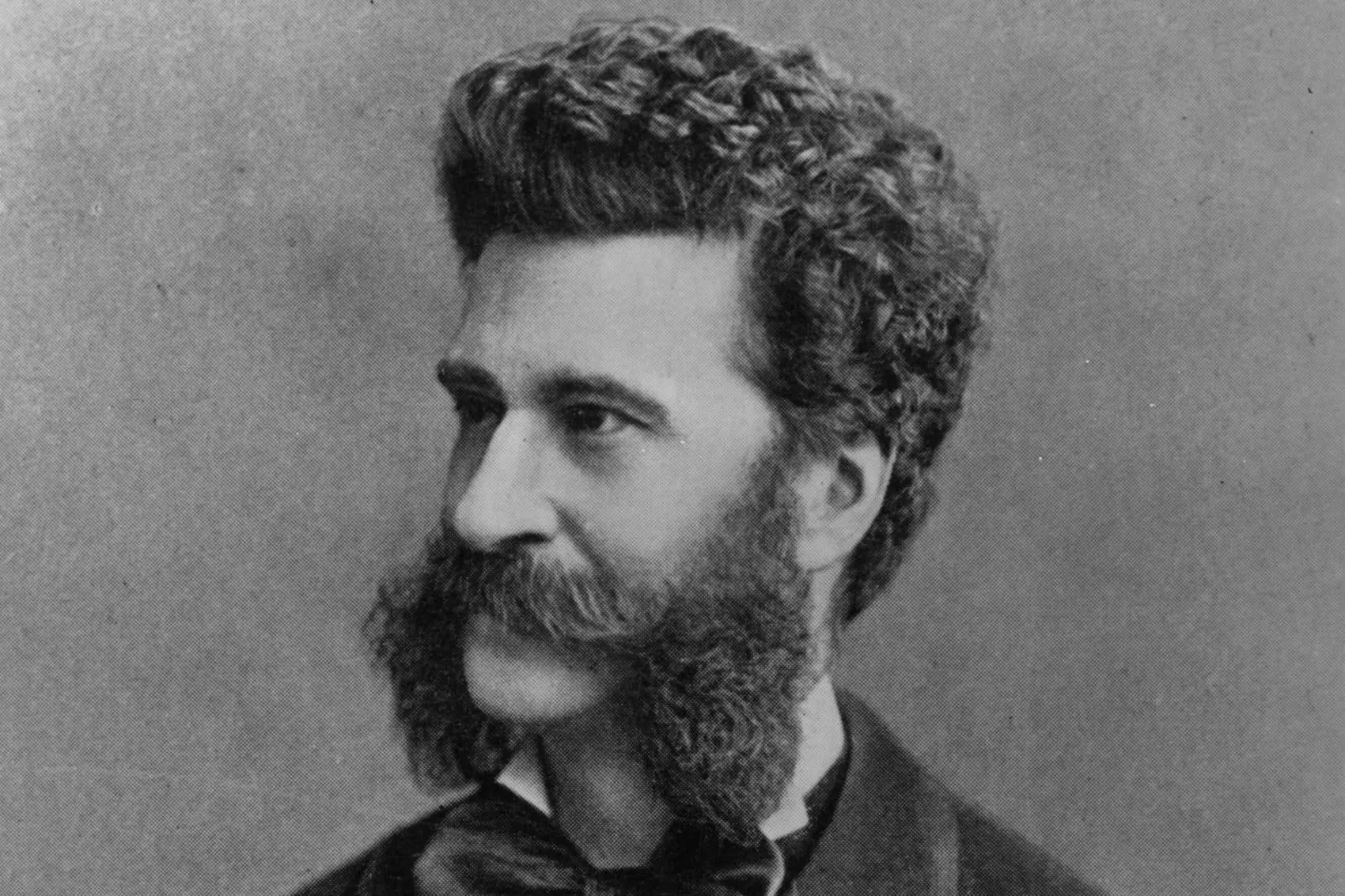
Vienna’s sacred spaces have always been crucial to its musical development. Churches were not only places of worship but also acoustic environments that shaped compositional thinking—how harmonies bloom, how voices blend, how silence carries meaning. In chapels and baroque naves, sacred works could unfold with spiritual intensity that differed from court spectacle. This tradition survives today in church concerts where chamber ensembles perform under frescoes, candles flicker against gilded altars, and audiences experience classical repertoire at close range. The intimacy can be striking: you hear bow strokes, breathing, and resonance in a way that large halls rarely allow.
St. Anne’s Church has become one of the most beloved examples of this legacy. Its atmosphere invites listeners to slow down and receive music almost meditatively, whether the program features Vivaldi, Mozart, or selections designed for first-time concertgoers. For many travelers, these evenings become unexpectedly moving because they dissolve the distance between history and present life. You are not just visiting a monument or attending a show; you are participating in a continuum where architecture, devotion, and artistry still meet in real time.
Mozart’s Vienna and the culture of premieres
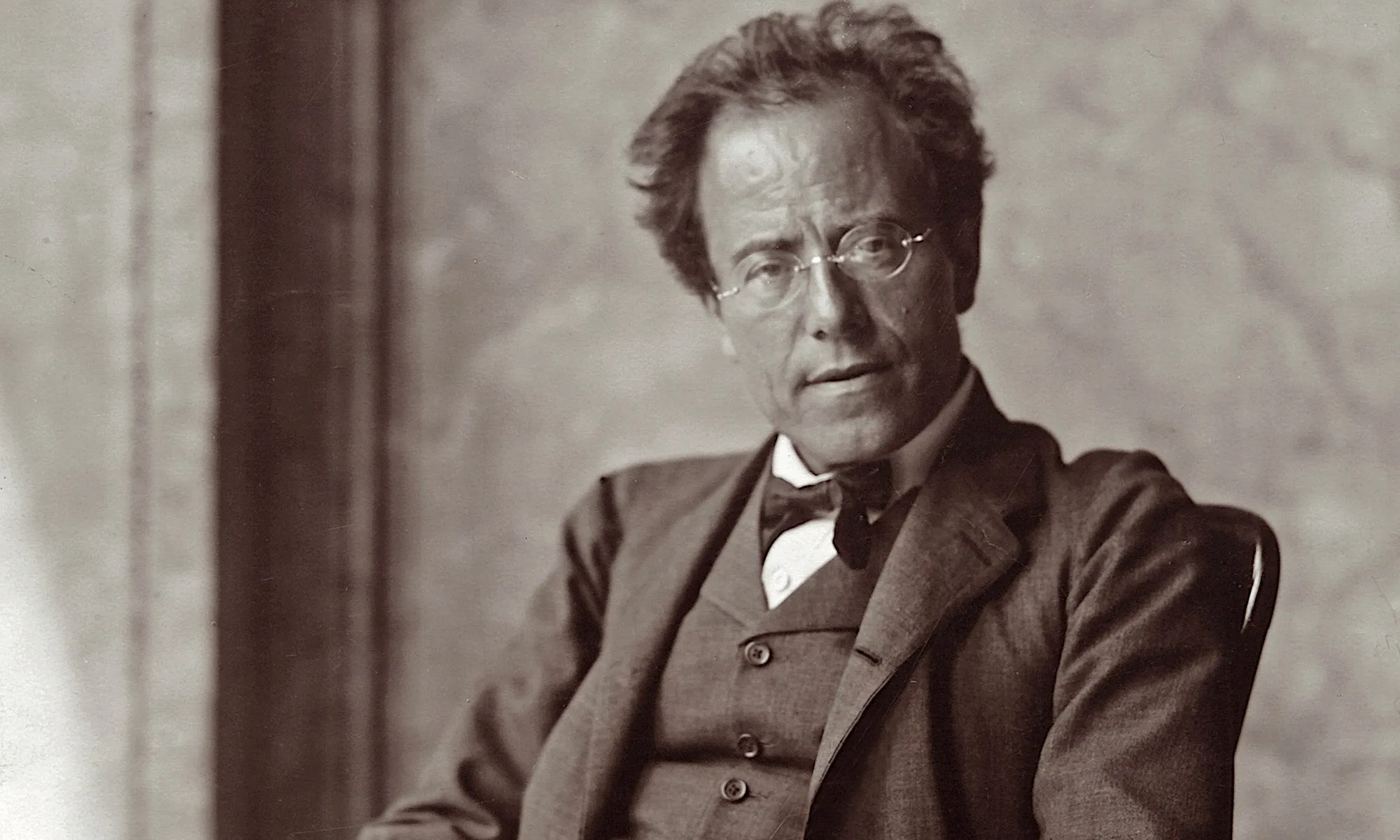
Mozart’s years in Vienna symbolize a turning point when compositional brilliance met an audience eager for novelty and emotional immediacy. The city offered opportunity but also intense competition. Public taste could shift quickly, and financial security was never guaranteed. Yet this pressure produced extraordinary energy: opera, chamber music, and symphonic writing evolved rapidly as composers responded to changing expectations. Vienna’s culture of premieres—new works presented to discerning listeners—encouraged artistic risk and sharpened performance standards. In that ecosystem, Mozart’s voice flourished with astonishing speed and variety, leaving repertory that still defines concert programming worldwide.
What makes Mozart’s Vienna enduringly fascinating is not only genius, but context. Venues, patrons, publishers, and social circles formed a network that connected creativity to public life. Music was discussed, debated, and remembered. Success meant entering civic memory; failure could be immediate and unforgiving. Today, when a Mozart overture opens an evening at the Musikverein or in a smaller church setting, audiences inherit that same tension between familiarity and wonder: we know the melodies, yet each live interpretation can still feel freshly discovered.
Beethoven, Schubert, and the emotional turn
If Mozart represents brilliance and dramatic balance, Beethoven and Schubert reveal Vienna’s capacity for emotional depth and existential scale. Beethoven’s presence in the city expanded what audiences expected from concert music: greater structural ambition, heightened contrast, and an almost philosophical intensity. Schubert, rooted in Vienna’s social fabric, brought lyric intimacy and poignant storytelling that resonated across both private gatherings and public performance life. Together, they helped transform listening from polite appreciation into a deeply personal, even transformative experience.
This shift still shapes how concerts are curated today. Programs often balance celebratory overtures with introspective slow movements, inviting listeners through a broad emotional arc rather than a single mood. In Vienna, this tradition feels especially natural because the city’s audience has long embraced music as a language for joy, longing, memory, and hope. You feel it in the hush before a final adagio and in the silence that lingers after the last chord—moments when the hall seems to breathe as one.
Dance, salons, and the Strauss era
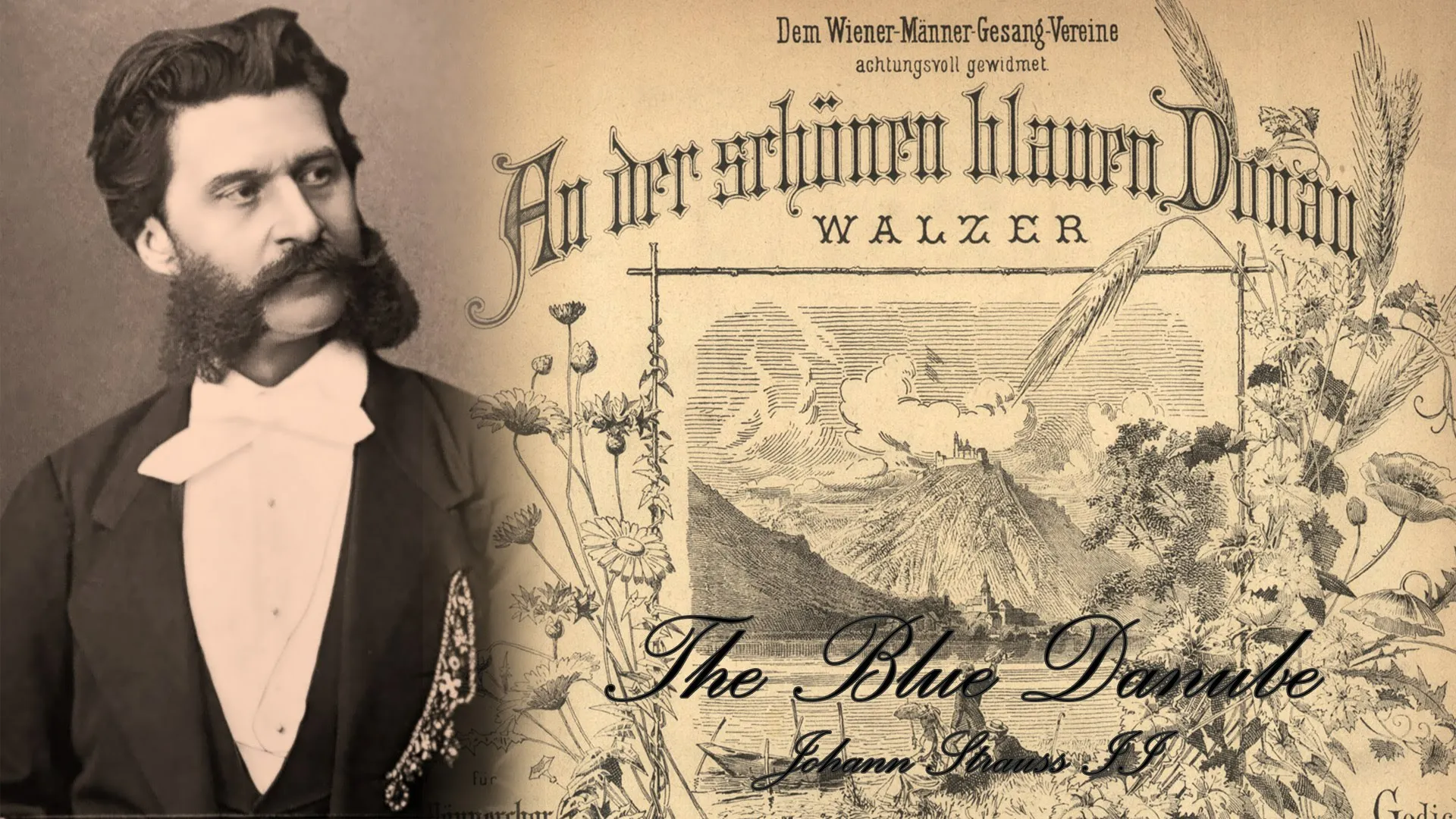
Not all of Vienna’s musical legacy is solemn or monumental. The Strauss era and the broader world of waltz culture brought movement, sparkle, and social elegance into the center of urban life. Dance halls, seasonal balls, and salon gatherings made music participatory: people did not only listen, they moved with it. This widened classical culture’s social base and reinforced Vienna’s image as both sophisticated and joyful. The city became known for evenings where refinement and celebration could coexist effortlessly.
Today, traces of that spirit appear in gala concerts featuring beloved waltzes and polkas, often designed to welcome diverse audiences including families and first-time visitors. These programs can feel wonderfully approachable, proving that high cultural heritage does not require emotional distance. In Vienna, laughter, rhythm, and elegance have always belonged beside seriousness and depth.
The birth of major concert institutions
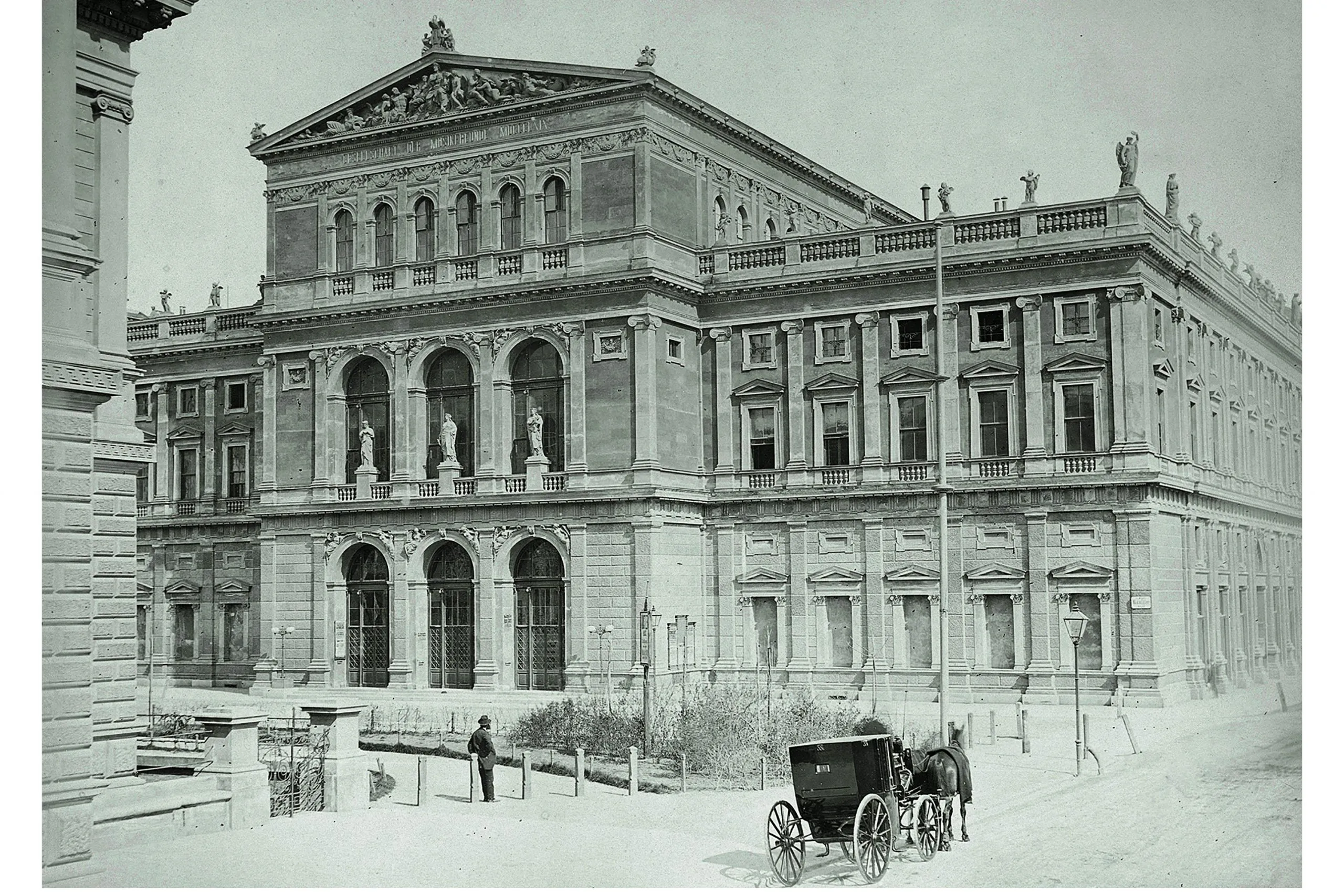
As Vienna modernized in the 19th century, concert life moved toward formal institutions capable of hosting larger audiences with consistent quality. Purpose-built halls represented a cultural statement: music deserved dedicated architecture, acoustic precision, and professional administration. This period laid groundwork for venues that would become globally iconic, including the Musikverein. Institutions brought stability to programming, training, and audience development, allowing repertoire to expand while preserving core traditions.
Institutionalization also democratized access in gradual ways. While social barriers remained, ticketed public concerts created broader pathways for participation than purely court-controlled performance models. Over time, this helped shape Vienna as a city where attending classical music could become part of ordinary urban life, not merely elite privilege.
Opera as civic identity and public ritual
Opera in Vienna has never been only about entertainment; it has functioned as a public ritual where aesthetics, language, politics, and identity intersect. The Vienna State Opera stands at the symbolic center of this tradition, hosting performances that connect local pride with international prestige. On major nights, the social choreography around the event is almost as meaningful as the stage itself: arrivals, intermissions, discussions, and the shared sense of participating in a historic continuum.
For visitors, this can be deeply memorable. Even without specialized knowledge, you quickly sense that the audience is listening with intent, comparing interpretations, and honoring inherited standards. Yet the atmosphere is not closed; it is alive and evolving. New productions reinterpret classics, and younger listeners continue to reshape expectations. Vienna’s operatic culture remains dynamic precisely because it respects tradition without freezing it.
Wars, recovery, and cultural resilience
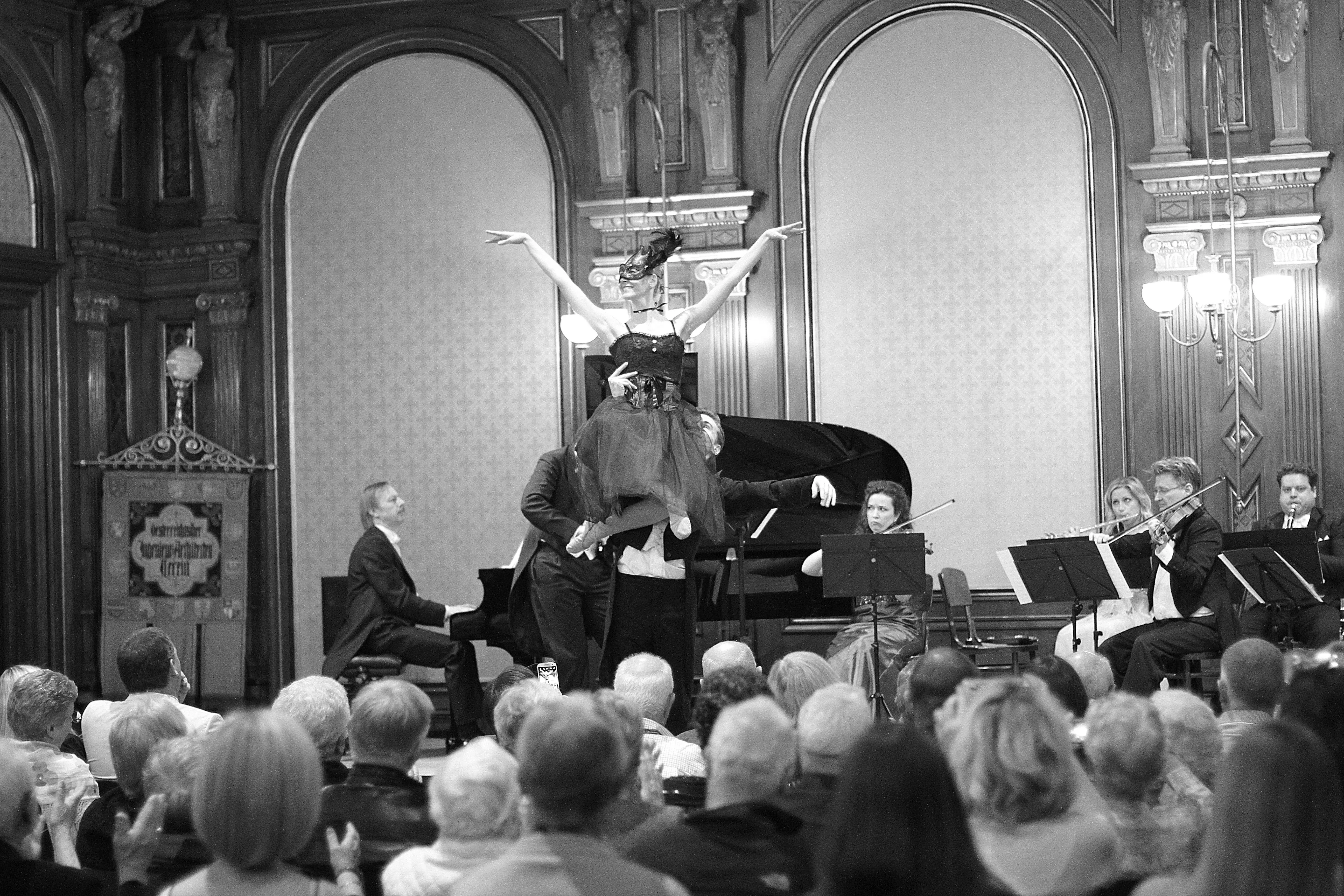
Vienna’s musical institutions did not pass through history untouched. Political upheavals, war, displacement, and economic crisis repeatedly disrupted artistic life. Venues were damaged, communities fractured, and repertory traditions interrupted. Yet music also became a medium of recovery—an insistence that cultural memory could survive even when material conditions were fragile. Rebuilding halls and restarting seasons carried symbolic weight: concerts signaled continuity, dignity, and a future beyond trauma.
This resilience contributes to the emotional intensity many people feel in Vienna performances today. Behind every polished evening lies a long story of preservation, adaptation, and collective effort. The city’s prestige is not merely inherited grandeur; it is also the result of repeated recommitment to artistic life under difficult circumstances.
Musikverein, Konzerthaus, and global prestige
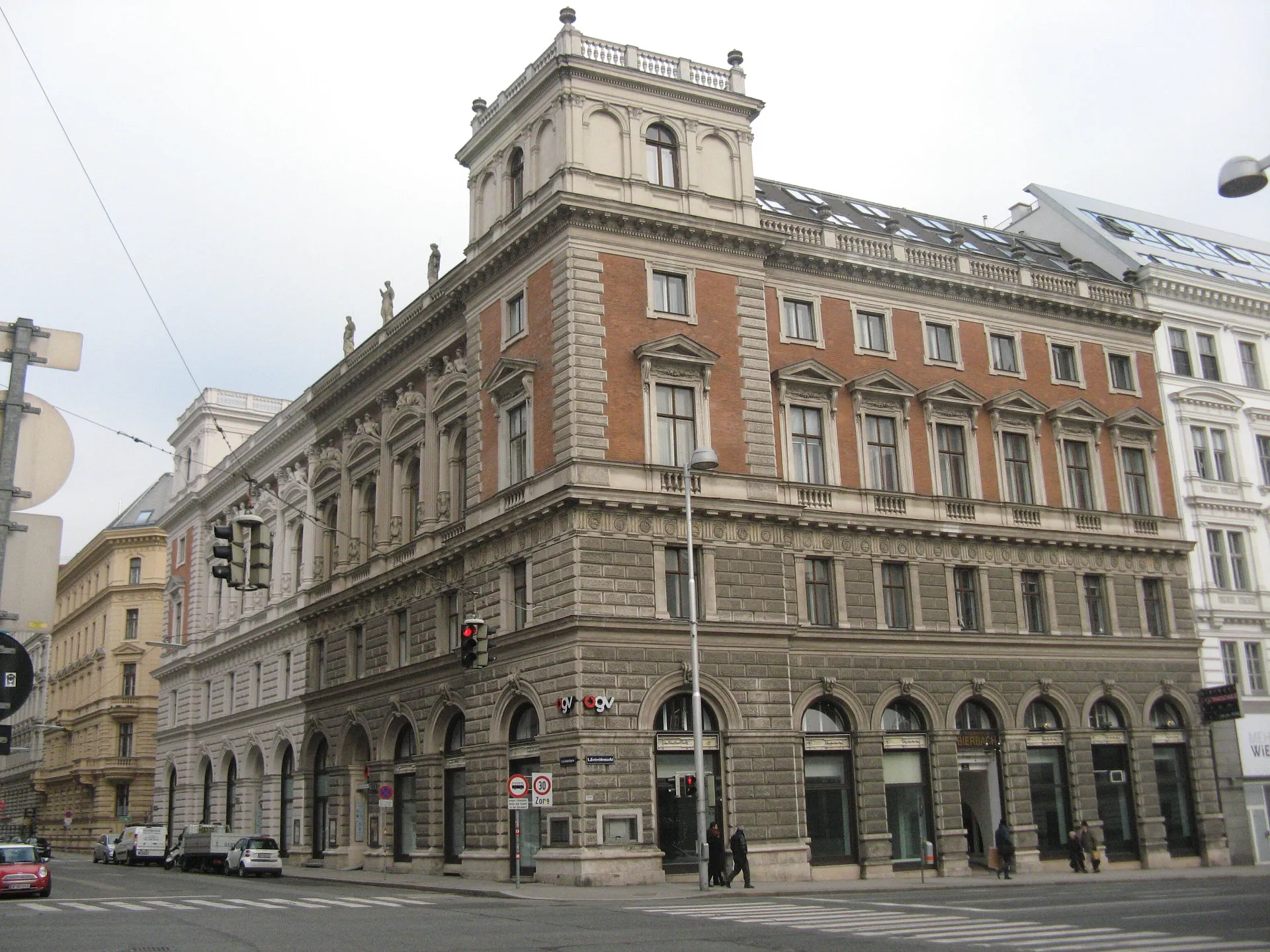
In contemporary Vienna, the Musikverein and other major halls embody a level of cultural excellence recognized worldwide. The Musikverein’s Golden Hall, in particular, is revered for clarity, warmth, and balance—qualities that musicians and listeners describe with near-mythic admiration. Performing there is an honor for orchestras; hearing music there is often a once-in-a-lifetime experience for travelers. The venue’s reputation, however, is not built on fame alone: it rests on consistent artistic standards, thoughtful programming, and an audience culture that rewards precision and expressive depth.
Konzerthaus and other institutions complement this landscape by diversifying repertoire and curatorial approach. Together they create a citywide ecosystem where canonical masterpieces coexist with thematic projects, guest artists, and educational initiatives. For visitors, this means genuine choice: you can pursue iconic prestige, exploratory programming, or a blend of both across multiple evenings.
Intimate venues: St. Anne’s and beyond
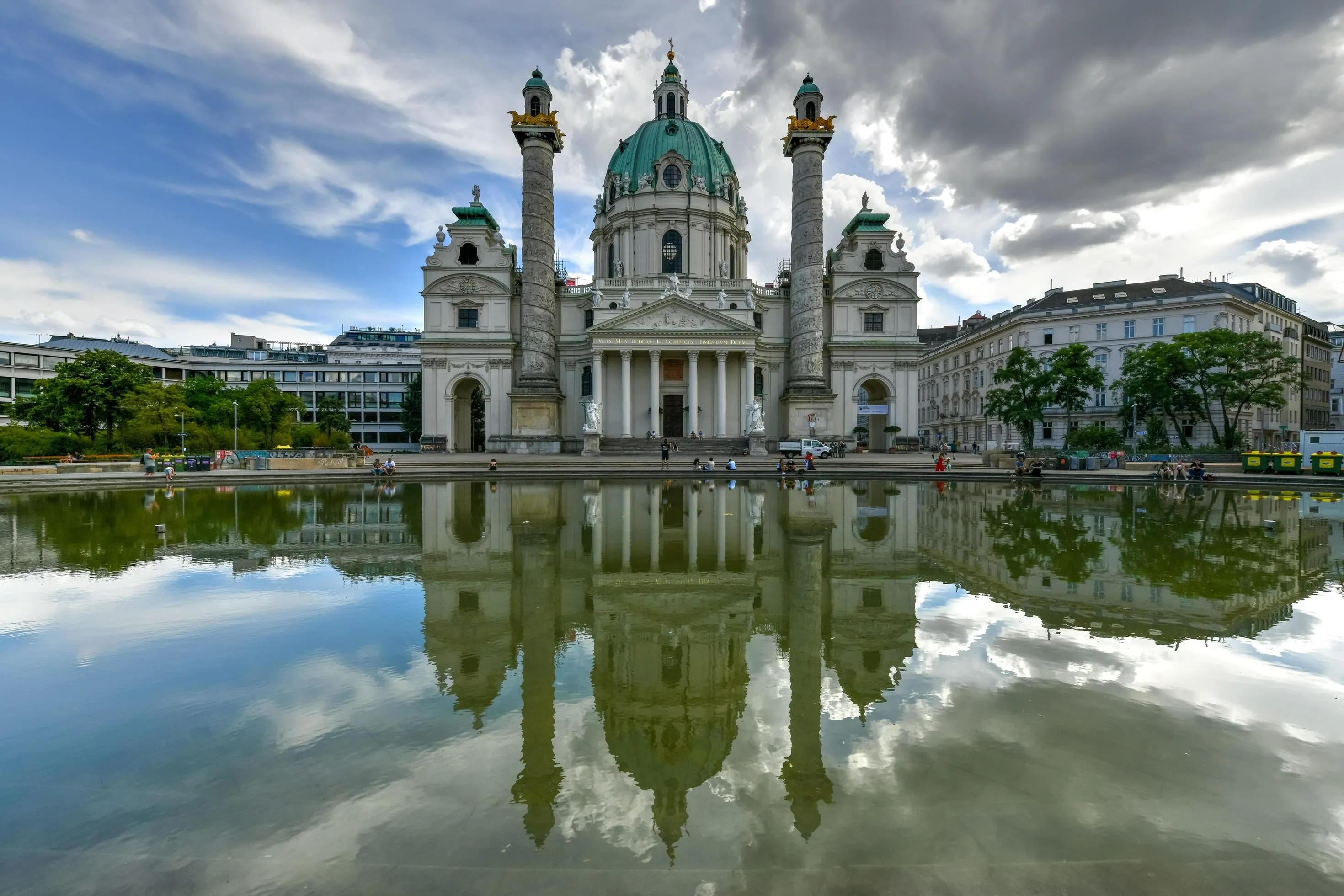
While grand halls dominate postcards, Vienna’s smaller venues often provide the most personal memories. St. Anne’s Church concerts are a prime example: close proximity to performers, atmospheric lighting, and a sacred interior that amplifies subtle musical color. These settings can transform familiar repertoire into something unexpectedly immediate, especially for travelers who prefer closeness over spectacle.
Other intimate spaces across the city continue this tradition of accessible excellence. They remind us that Vienna’s musical power does not depend only on scale; it also depends on attention, listening culture, and the emotional honesty of live performance. A modest chamber evening can be just as unforgettable as a famous gala if the interpretation and atmosphere align.
How modern audiences experience old masterpieces
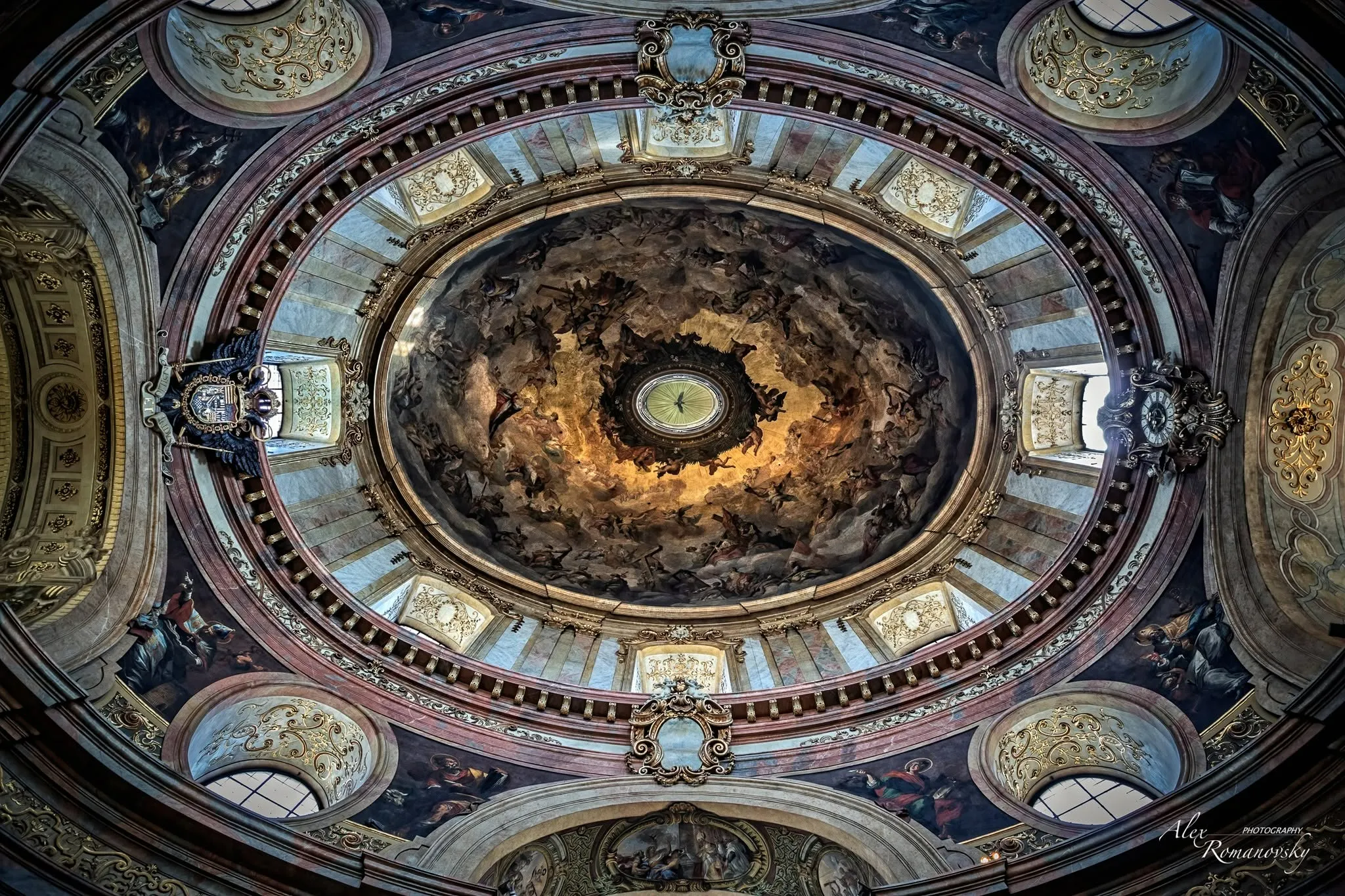
Today’s listeners bring different backgrounds, expectations, and listening habits into historic repertoires. Some arrive as experts comparing conductors; others attend their first classical concert out of curiosity. Vienna’s strength is its ability to welcome both experiences without dilution. Program notes, multilingual communication, and varied venue formats help bridge tradition and contemporary travel culture.
Digital booking, flexible itineraries, and social sharing have changed how people plan cultural evenings, but the core experience remains profoundly analog: live sound in a shared room. In a world of on-demand media, this has become even more valuable. Vienna succeeds because it offers not nostalgia alone, but a living argument for why collective listening still matters.
Why Vienna still feels like the world’s music home
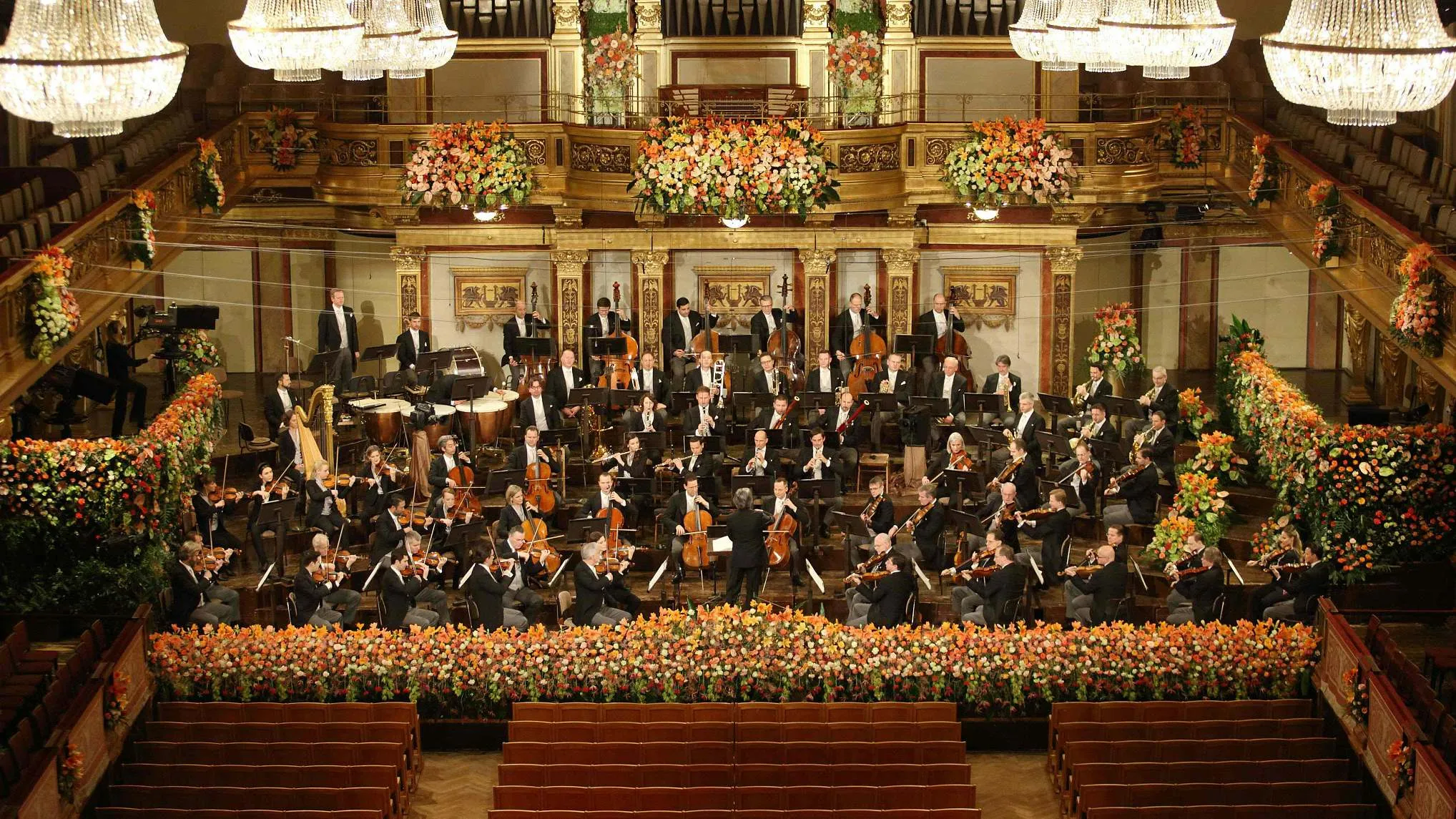
Vienna continues to feel singular because it unites scale and intimacy, heritage and renewal, ritual and accessibility. You can spend one evening in a globally celebrated hall and the next in a candlelit church where every phrase feels personal. Few cities sustain such range while maintaining consistently high standards of performance and audience engagement.
Perhaps that is why visitors return not just for monuments, but for moments: the hush before an overture, the glow of chandeliers, the resonance of a violin line that follows you into the street. In Vienna, music is not a decorative addition to tourism. It is one of the city’s native languages—spoken across centuries, and still entirely alive tonight.
Table of Contents
Before Vienna: roots of a musical capital
Long before Vienna became synonymous with classical excellence, music flowed through the Habsburg lands as ceremony, devotion, and social language. Courtly processions required fanfares, churches cultivated choral traditions, and traveling musicians connected regional styles across cities and monasteries. By the time Vienna emerged as an imperial center, it already possessed the ingredients of musical authority: institutional wealth, architectural ambition, and a population accustomed to hearing structured music in both sacred and civic life. This foundation mattered profoundly, because it meant that when great composers later arrived, they did not create a culture from nothing—they entered a city prepared to listen deeply and invest in artistic continuity.
What distinguishes Vienna’s early evolution is the way music became embedded in identity rather than treated as occasional entertainment. Noble households maintained private ensembles, church calendars demanded repertoire, and urban ceremonies transformed sound into shared memory. The result was a public ear trained across generations, capable of appreciating complexity and emotional nuance. In modern terms, this created an ecosystem: patrons financed innovation, performers raised standards, and audiences rewarded excellence with lasting prestige. The city’s later fame was therefore not an accident of marketing or nostalgia—it was the cumulative outcome of centuries in which music remained central to how Vienna represented itself to Europe and to its own citizens.
Imperial patronage and court performance culture
During the height of imperial influence, Vienna’s court set cultural rhythms that extended far beyond palace walls. Music served diplomacy, religious ceremony, and social order all at once. Composers and performers navigated a world where artistic success depended not only on talent but on patron networks, ceremonial obligations, and the ability to respond to elite taste. Yet this system, while hierarchical, also created opportunity: resources for rehearsals, orchestras, and experimentation could be substantial, enabling ambitious works that smaller cities could rarely support. The court’s expectation of quality pushed standards upward and turned Vienna into a laboratory of style where innovation and tradition constantly negotiated space.
Importantly, court culture also influenced public aspiration. As aristocratic salons and official performances gained visibility, middle-class audiences began to seek similar refinement in their own social life. This helped expand concert culture beyond palace circles, planting seeds for broader institutions in the 19th century. In today’s Vienna, traces of that transformation remain visible in architecture, etiquette, and repertoire choices. Even when you attend a modern ticketed concert, you can still sense this older DNA: the formal opening atmosphere, the reverent silence before the first note, the shared understanding that the evening is an event, not background noise.
Churches, chapels, and sacred soundscapes
Vienna’s sacred spaces have always been crucial to its musical development. Churches were not only places of worship but also acoustic environments that shaped compositional thinking—how harmonies bloom, how voices blend, how silence carries meaning. In chapels and baroque naves, sacred works could unfold with spiritual intensity that differed from court spectacle. This tradition survives today in church concerts where chamber ensembles perform under frescoes, candles flicker against gilded altars, and audiences experience classical repertoire at close range. The intimacy can be striking: you hear bow strokes, breathing, and resonance in a way that large halls rarely allow.
St. Anne’s Church has become one of the most beloved examples of this legacy. Its atmosphere invites listeners to slow down and receive music almost meditatively, whether the program features Vivaldi, Mozart, or selections designed for first-time concertgoers. For many travelers, these evenings become unexpectedly moving because they dissolve the distance between history and present life. You are not just visiting a monument or attending a show; you are participating in a continuum where architecture, devotion, and artistry still meet in real time.
Mozart’s Vienna and the culture of premieres
Mozart’s years in Vienna symbolize a turning point when compositional brilliance met an audience eager for novelty and emotional immediacy. The city offered opportunity but also intense competition. Public taste could shift quickly, and financial security was never guaranteed. Yet this pressure produced extraordinary energy: opera, chamber music, and symphonic writing evolved rapidly as composers responded to changing expectations. Vienna’s culture of premieres—new works presented to discerning listeners—encouraged artistic risk and sharpened performance standards. In that ecosystem, Mozart’s voice flourished with astonishing speed and variety, leaving repertory that still defines concert programming worldwide.
What makes Mozart’s Vienna enduringly fascinating is not only genius, but context. Venues, patrons, publishers, and social circles formed a network that connected creativity to public life. Music was discussed, debated, and remembered. Success meant entering civic memory; failure could be immediate and unforgiving. Today, when a Mozart overture opens an evening at the Musikverein or in a smaller church setting, audiences inherit that same tension between familiarity and wonder: we know the melodies, yet each live interpretation can still feel freshly discovered.
Beethoven, Schubert, and the emotional turn
If Mozart represents brilliance and dramatic balance, Beethoven and Schubert reveal Vienna’s capacity for emotional depth and existential scale. Beethoven’s presence in the city expanded what audiences expected from concert music: greater structural ambition, heightened contrast, and an almost philosophical intensity. Schubert, rooted in Vienna’s social fabric, brought lyric intimacy and poignant storytelling that resonated across both private gatherings and public performance life. Together, they helped transform listening from polite appreciation into a deeply personal, even transformative experience.
This shift still shapes how concerts are curated today. Programs often balance celebratory overtures with introspective slow movements, inviting listeners through a broad emotional arc rather than a single mood. In Vienna, this tradition feels especially natural because the city’s audience has long embraced music as a language for joy, longing, memory, and hope. You feel it in the hush before a final adagio and in the silence that lingers after the last chord—moments when the hall seems to breathe as one.
Dance, salons, and the Strauss era
Not all of Vienna’s musical legacy is solemn or monumental. The Strauss era and the broader world of waltz culture brought movement, sparkle, and social elegance into the center of urban life. Dance halls, seasonal balls, and salon gatherings made music participatory: people did not only listen, they moved with it. This widened classical culture’s social base and reinforced Vienna’s image as both sophisticated and joyful. The city became known for evenings where refinement and celebration could coexist effortlessly.
Today, traces of that spirit appear in gala concerts featuring beloved waltzes and polkas, often designed to welcome diverse audiences including families and first-time visitors. These programs can feel wonderfully approachable, proving that high cultural heritage does not require emotional distance. In Vienna, laughter, rhythm, and elegance have always belonged beside seriousness and depth.
The birth of major concert institutions
As Vienna modernized in the 19th century, concert life moved toward formal institutions capable of hosting larger audiences with consistent quality. Purpose-built halls represented a cultural statement: music deserved dedicated architecture, acoustic precision, and professional administration. This period laid groundwork for venues that would become globally iconic, including the Musikverein. Institutions brought stability to programming, training, and audience development, allowing repertoire to expand while preserving core traditions.
Institutionalization also democratized access in gradual ways. While social barriers remained, ticketed public concerts created broader pathways for participation than purely court-controlled performance models. Over time, this helped shape Vienna as a city where attending classical music could become part of ordinary urban life, not merely elite privilege.
Opera as civic identity and public ritual
Opera in Vienna has never been only about entertainment; it has functioned as a public ritual where aesthetics, language, politics, and identity intersect. The Vienna State Opera stands at the symbolic center of this tradition, hosting performances that connect local pride with international prestige. On major nights, the social choreography around the event is almost as meaningful as the stage itself: arrivals, intermissions, discussions, and the shared sense of participating in a historic continuum.
For visitors, this can be deeply memorable. Even without specialized knowledge, you quickly sense that the audience is listening with intent, comparing interpretations, and honoring inherited standards. Yet the atmosphere is not closed; it is alive and evolving. New productions reinterpret classics, and younger listeners continue to reshape expectations. Vienna’s operatic culture remains dynamic precisely because it respects tradition without freezing it.
Wars, recovery, and cultural resilience
Vienna’s musical institutions did not pass through history untouched. Political upheavals, war, displacement, and economic crisis repeatedly disrupted artistic life. Venues were damaged, communities fractured, and repertory traditions interrupted. Yet music also became a medium of recovery—an insistence that cultural memory could survive even when material conditions were fragile. Rebuilding halls and restarting seasons carried symbolic weight: concerts signaled continuity, dignity, and a future beyond trauma.
This resilience contributes to the emotional intensity many people feel in Vienna performances today. Behind every polished evening lies a long story of preservation, adaptation, and collective effort. The city’s prestige is not merely inherited grandeur; it is also the result of repeated recommitment to artistic life under difficult circumstances.
Musikverein, Konzerthaus, and global prestige
In contemporary Vienna, the Musikverein and other major halls embody a level of cultural excellence recognized worldwide. The Musikverein’s Golden Hall, in particular, is revered for clarity, warmth, and balance—qualities that musicians and listeners describe with near-mythic admiration. Performing there is an honor for orchestras; hearing music there is often a once-in-a-lifetime experience for travelers. The venue’s reputation, however, is not built on fame alone: it rests on consistent artistic standards, thoughtful programming, and an audience culture that rewards precision and expressive depth.
Konzerthaus and other institutions complement this landscape by diversifying repertoire and curatorial approach. Together they create a citywide ecosystem where canonical masterpieces coexist with thematic projects, guest artists, and educational initiatives. For visitors, this means genuine choice: you can pursue iconic prestige, exploratory programming, or a blend of both across multiple evenings.
Intimate venues: St. Anne’s and beyond
While grand halls dominate postcards, Vienna’s smaller venues often provide the most personal memories. St. Anne’s Church concerts are a prime example: close proximity to performers, atmospheric lighting, and a sacred interior that amplifies subtle musical color. These settings can transform familiar repertoire into something unexpectedly immediate, especially for travelers who prefer closeness over spectacle.
Other intimate spaces across the city continue this tradition of accessible excellence. They remind us that Vienna’s musical power does not depend only on scale; it also depends on attention, listening culture, and the emotional honesty of live performance. A modest chamber evening can be just as unforgettable as a famous gala if the interpretation and atmosphere align.
How modern audiences experience old masterpieces
Today’s listeners bring different backgrounds, expectations, and listening habits into historic repertoires. Some arrive as experts comparing conductors; others attend their first classical concert out of curiosity. Vienna’s strength is its ability to welcome both experiences without dilution. Program notes, multilingual communication, and varied venue formats help bridge tradition and contemporary travel culture.
Digital booking, flexible itineraries, and social sharing have changed how people plan cultural evenings, but the core experience remains profoundly analog: live sound in a shared room. In a world of on-demand media, this has become even more valuable. Vienna succeeds because it offers not nostalgia alone, but a living argument for why collective listening still matters.
Why Vienna still feels like the world’s music home
Vienna continues to feel singular because it unites scale and intimacy, heritage and renewal, ritual and accessibility. You can spend one evening in a globally celebrated hall and the next in a candlelit church where every phrase feels personal. Few cities sustain such range while maintaining consistently high standards of performance and audience engagement.
Perhaps that is why visitors return not just for monuments, but for moments: the hush before an overture, the glow of chandeliers, the resonance of a violin line that follows you into the street. In Vienna, music is not a decorative addition to tourism. It is one of the city’s native languages—spoken across centuries, and still entirely alive tonight.